


The right wallpaper color comes down to three things: the light your room gets, the furniture already in it, and the mood you want to live in every day. Get those three right and the color choice becomes obvious. Get them wrong and even the most beautiful wallpaper will feel off the moment it goes up.
This guide covers exactly how to read your room before you pick a color, which colors work best in which spaces, and how to pair wallpaper with furniture and paint so the whole room holds together. Each color in the series links to a dedicated pairing guide with specific styling advice, product recommendations, and interior style matches.
- Room lighting is the single biggest factor in how wallpaper color reads. A navy that looks rich in a south-facing room can look muddy and cold in a north-facing one.
- Always choose your wallpaper color first, then match paint and furniture to it. Working in reverse is the most common and most costly mistake.
- Dark wallpaper colors do not make small rooms feel smaller if you use them correctly. Contrast, lighting, and furniture scale matter more than square footage.
- Warm colors (yellow, pink, terracotta) advance toward you visually, making rooms feel more intimate. Cool colors (blue, green, grey) recede, making rooms feel larger and calmer.
- The accent wall approach is not always the right one. Pattern and color that wraps all four walls can create a more cohesive, considered result than a single statement wall surrounded by plain paint.
- Order samples before committing. Wallpaper color reads completely differently on a screen versus on your actual wall under your actual light.
Why Does Wallpaper Color Feel So Hard to Choose?
Because you are not just choosing a color. You are choosing how a room feels at 7am in winter light, at noon in direct sun, and at 9pm under a warm lamp. The same wallpaper shifts between all three. Most people only think about noon.
The other problem is that most rooms already have fixed elements you cannot change: flooring, trim color, the direction the windows face. A wallpaper color that ignores those elements will always fight the room rather than complete it.
The three-step method below cuts through the decision paralysis every time.

How Do You Choose the Right Wallpaper Color for Your Room?
Work through these three steps before looking at a single wallpaper design.
Step 1: Identify Your Room's Light Direction
Light direction is non-negotiable. It determines how every color reads on your walls.
| Light Direction | Light Quality | Colors That Work | Colors to Avoid |
|---|---|---|---|
| North-facing | Cool, flat, consistent throughout the day | Warm neutrals, soft yellows, warm pinks, terracotta, warm greens | Cool blues, grey-greens, stark whites |
| South-facing | Warm, bright, strong at midday | Almost any color. Deep blues, rich greens, and bold patterns all handle direct light well | Very pale pastels that wash out in strong light |
| East-facing | Warm morning light, cooler by afternoon | Warm blush, peach, soft gold, sage green | Heavy dark colors that feel oppressive once morning light fades |
| West-facing | Cool morning, warm evening glow | Cooler blues and greens that warm up beautifully in afternoon and evening light | Colors that rely on morning warmth to look their best |
Step 2: Map Your Fixed Elements
Before you look at any wallpaper, write down the colors already in your room that cannot be changed: flooring color and tone, trim and skirting board color, any large fixed furniture. These are your constraints, not your enemies.
The key question is whether your fixed elements run warm or cool. Warm oak flooring, cream trim, and a tan sofa pull toward warm wallpaper colors. Cool grey stone floors, white trim, and a charcoal sofa open the door to cooler, bolder choices.
If your fixed elements are truly neutral, you have the most freedom. That is actually the hardest situation, not the easiest, because nothing is doing the editing work for you.
Step 3: Decide on the Mood Before the Color
Color follows mood. Not the other way around. Ask yourself what you want to feel when you walk into this room.
| Desired Mood | Color Direction | Think Noir Collection |
|---|---|---|
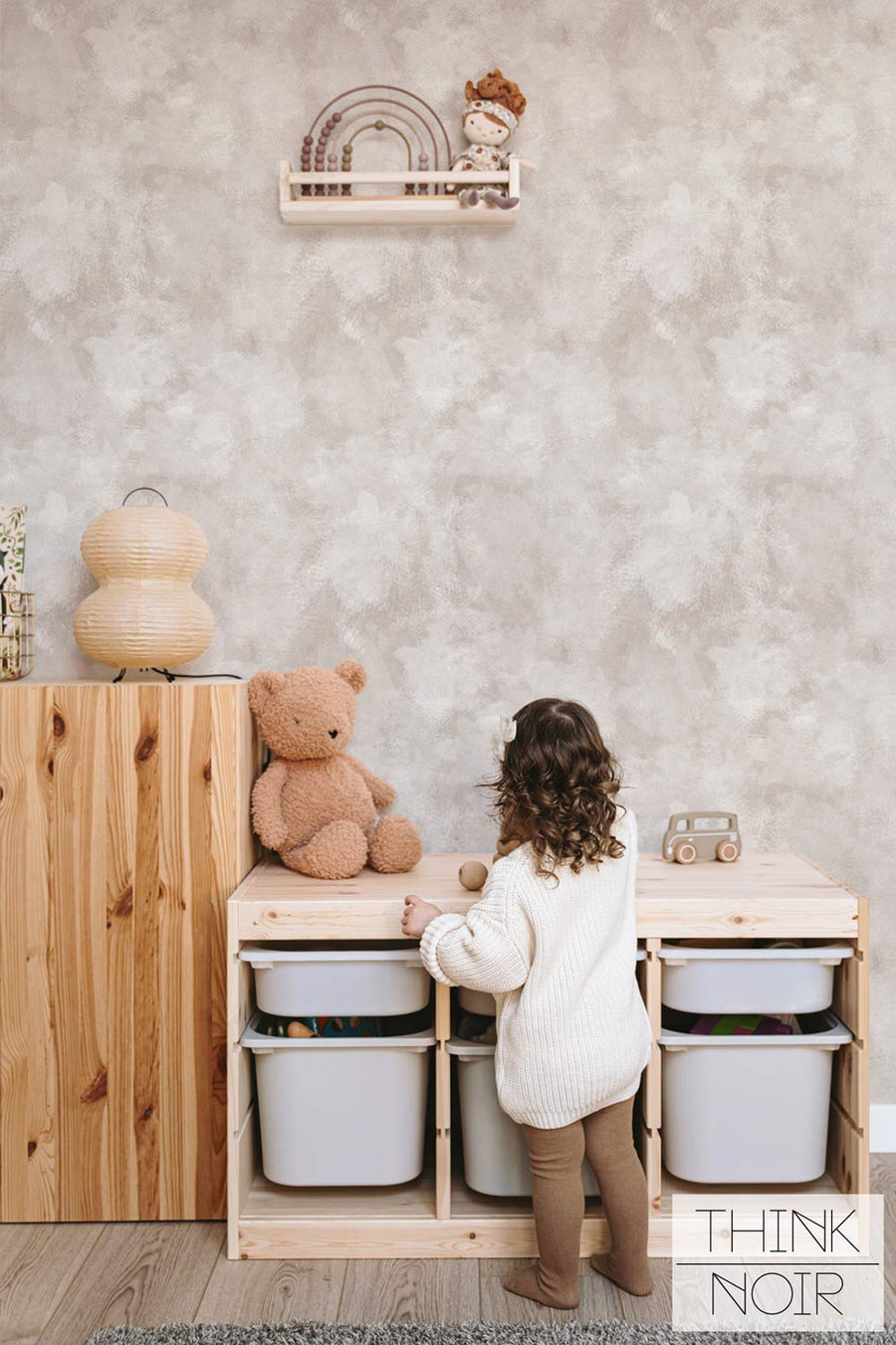
| Calm, restful, easy to live in | Neutral, beige, soft sage, pale blue | Neutral Wallpaper |
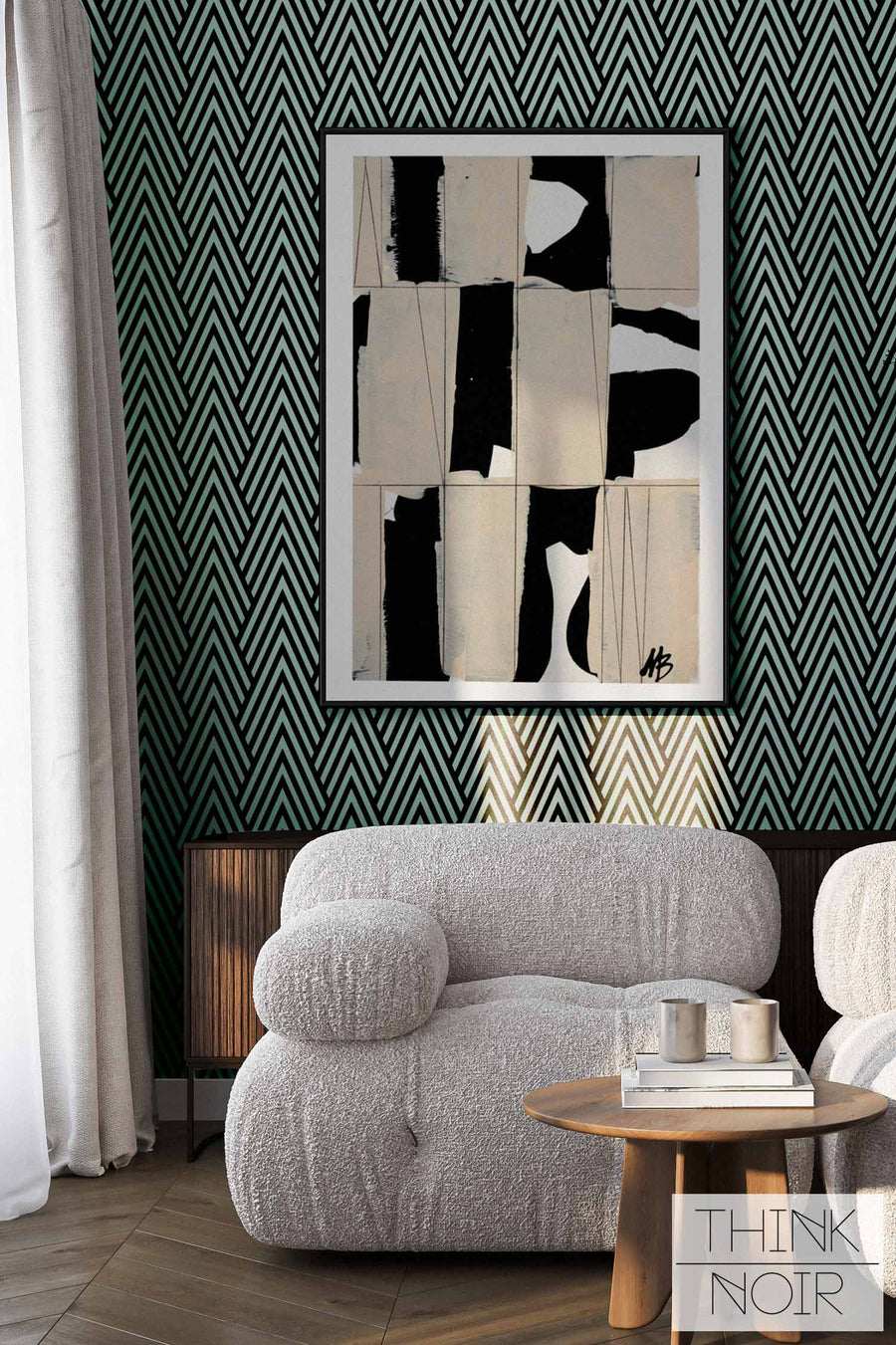
| Sophisticated, grounded, timeless | Deep blue, forest green, charcoal | Blue Wallpaper |
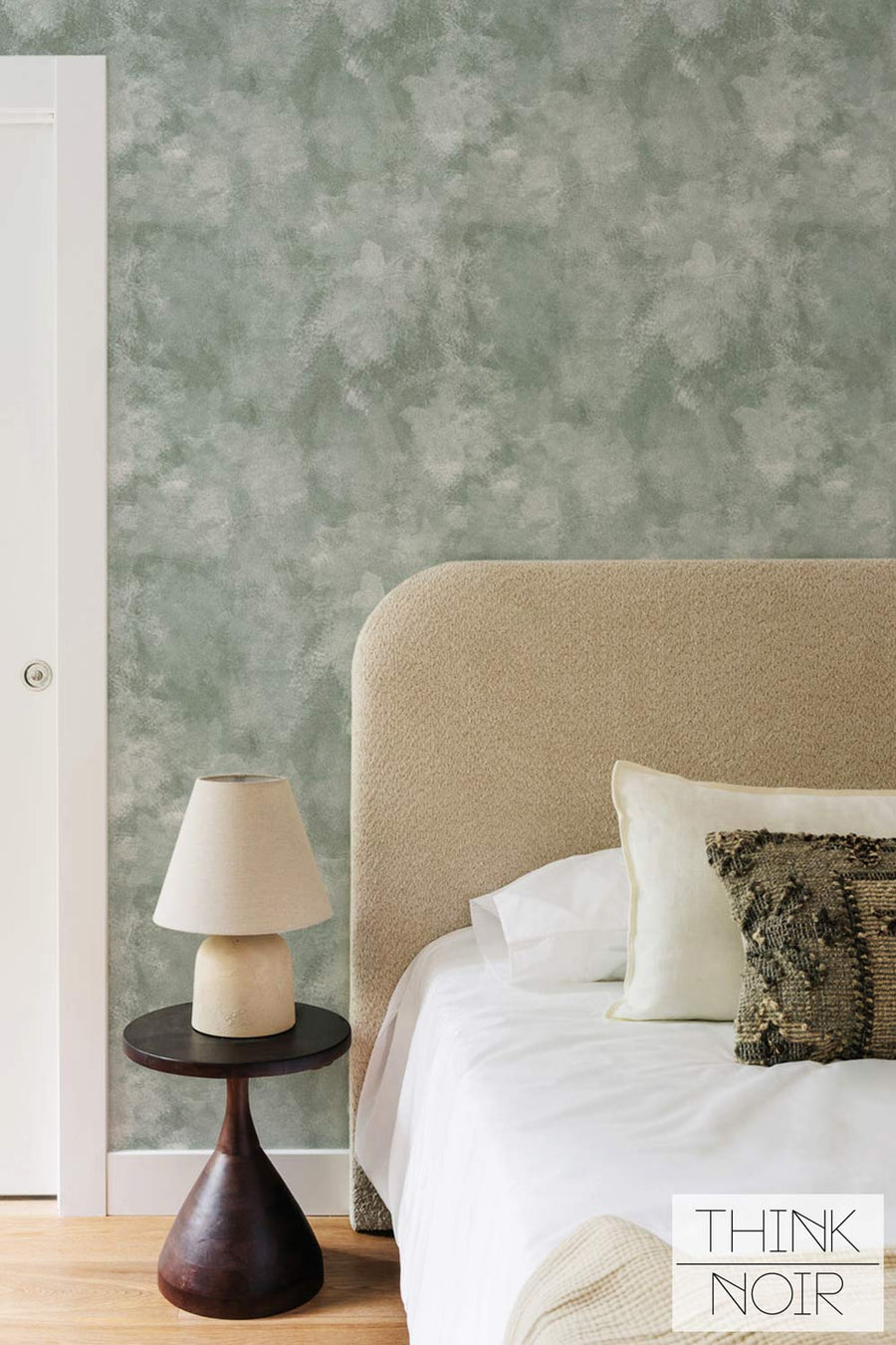
| Fresh, alive, connected to nature | Green in any shade from sage to emerald | Green Wallpaper |
| Warm, romantic, personal | Pink from blush to deep rose | Pink Wallpaper |
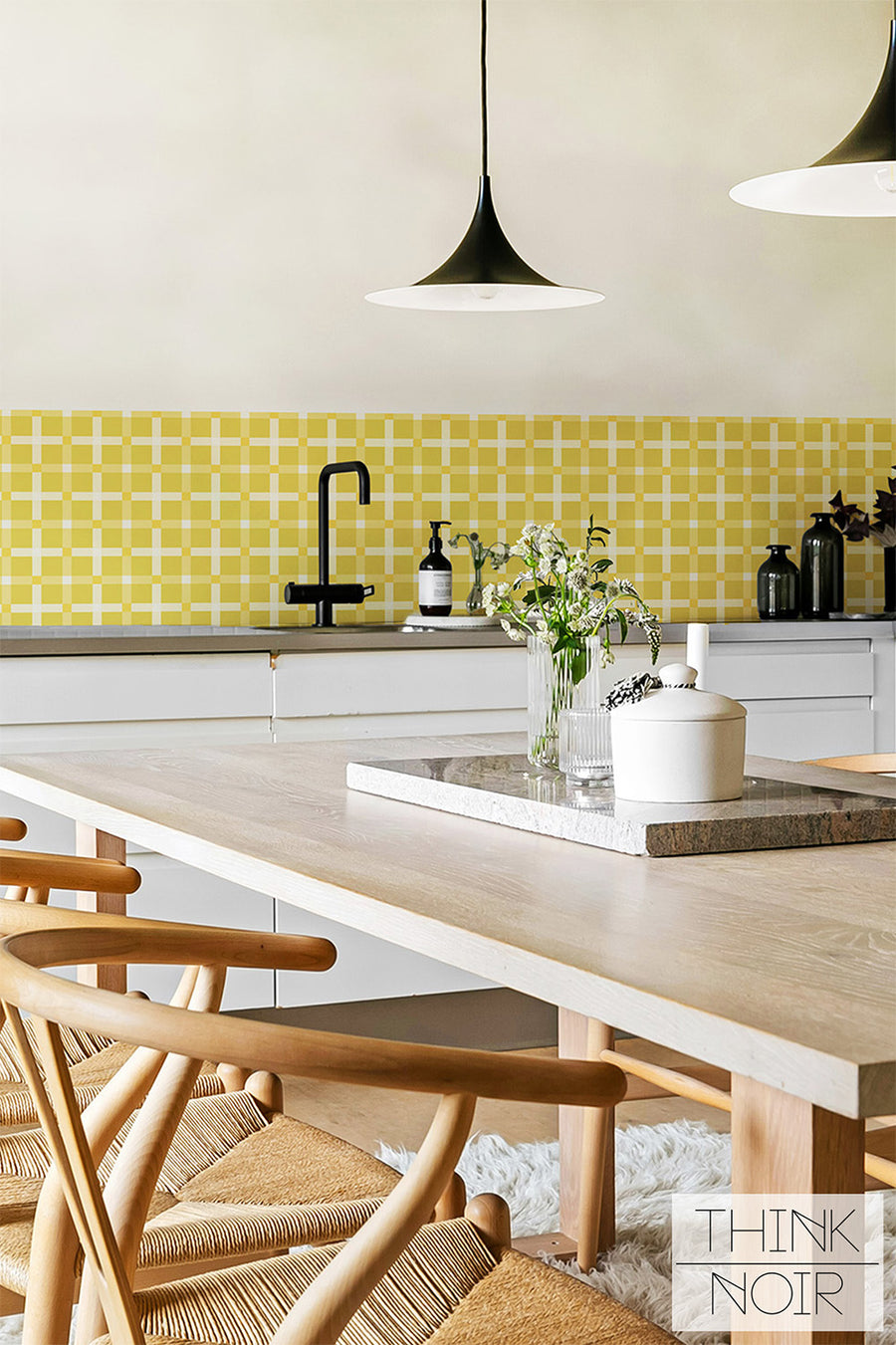
| Energising, optimistic, creative | Yellow from mustard to bright citrus | Yellow Wallpaper |
Which Wallpaper Color Works Best in Each Room?
Room function is the second filter after lighting. A color that works brilliantly in a dining room can feel wrong in a bedroom for reasons that have nothing to do with how it looks.
Bedroom Wallpaper Color
The bedroom is where you wake up and wind down. Colors that over-stimulate the nervous system work against you here. That rules out very bright yellows and high-contrast geometric patterns as the dominant wall treatment, though either can work as a single accent wall behind the bed if the remaining walls stay quiet.

The strongest bedroom wallpaper colors are deep, moody blues and greens for their naturally calming effect, soft neutrals for their restful quality, and blush pinks for their warmth. A deep navy botanical behind the bed with linen-toned walls on the remaining three sides creates exactly the right balance of drama and calm.
Explore: Blue Wallpaper, Neutral Wallpaper, Green Wallpaper
Living Room Wallpaper Color
Living rooms accommodate more activity and more people than any other room in the house. The wallpaper color needs to work as a backdrop for conversation, television, entertaining, and everyday life. That means it needs to be interesting without being exhausting.

Bold greens, deep blues, and rich neutrals all perform well in living rooms because they create a strong visual anchor without demanding constant attention. Pale yellows and warm beiges work exceptionally well in north-facing living rooms that need warmth added. Avoid anything too cool and pale in a room that gets flat, grey light.
Explore: Green Wallpaper, Blue Wallpaper, Neutral Wallpaper
Kitchen and Dining Room Wallpaper Color
Color psychology research consistently shows that warm colors increase appetite and social energy, which is why warm yellows, terracotta, and rich greens have always been a natural fit in eating spaces. Blue is the notable exception: certain shades of deep navy and teal work beautifully in dining rooms, particularly with warm brass or gold accents that offset the cool undertone of the color.

Avoid very pale, flat colors in kitchens. They show grease and steam marks faster than you expect and lack the visual weight to hold up next to cabinetry.
Explore: Yellow Wallpaper, Green Wallpaper, Blue Wallpaper
Bathroom Wallpaper Color
Bathrooms are one of the best rooms in the house for bold wallpaper color because the space is small, the exposure is brief, and the impact is maximum. A color that would overwhelm a living room becomes perfectly proportioned in a powder room.

Blues and greens have a natural affinity with bathroom settings because of their association with water. Deep botanical greens work particularly well because the pattern adds richness that plain tile cannot. Pink in a bathroom ranges from powder-room glamour at the blush end to something more dramatic at the deep rose end.
Explore: Blue Wallpaper, Green Wallpaper, Pink Wallpaper
Home Office Wallpaper Color
Home offices need a color that supports focus without creating fatigue. Deep greens and mid-range blues are the most research-supported choices for cognitive work environments. Both colors are associated with focus and reduced eye strain compared to high-contrast or very warm environments.

Neutral wallpaper works well in home offices where screens are prominent, because it reduces visual competition. Yellow is a credible choice for creative work environments but tends to overstimulate in spaces used for long, concentrated tasks.
Explore: Green Wallpaper, Blue Wallpaper, Neutral Wallpaper
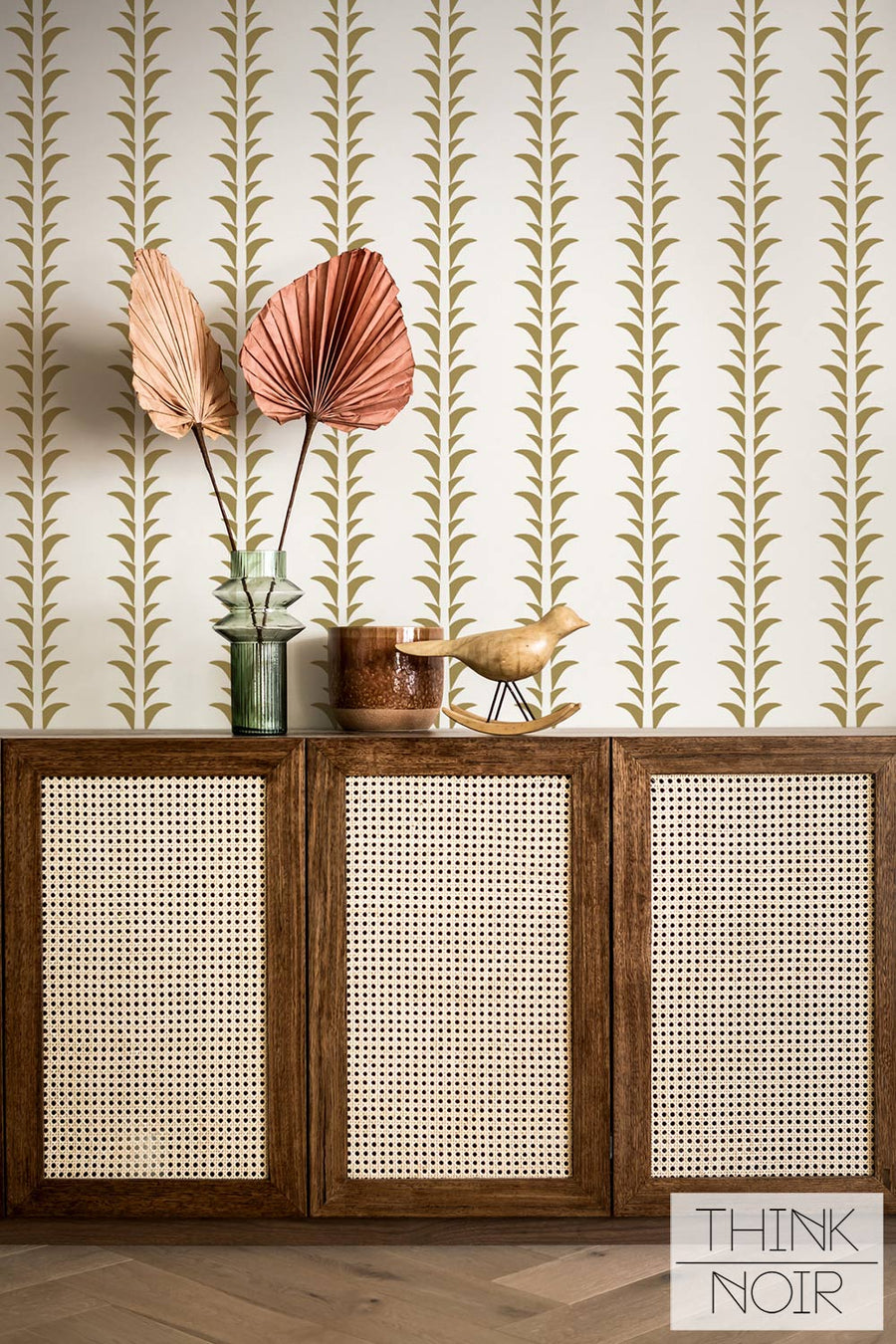
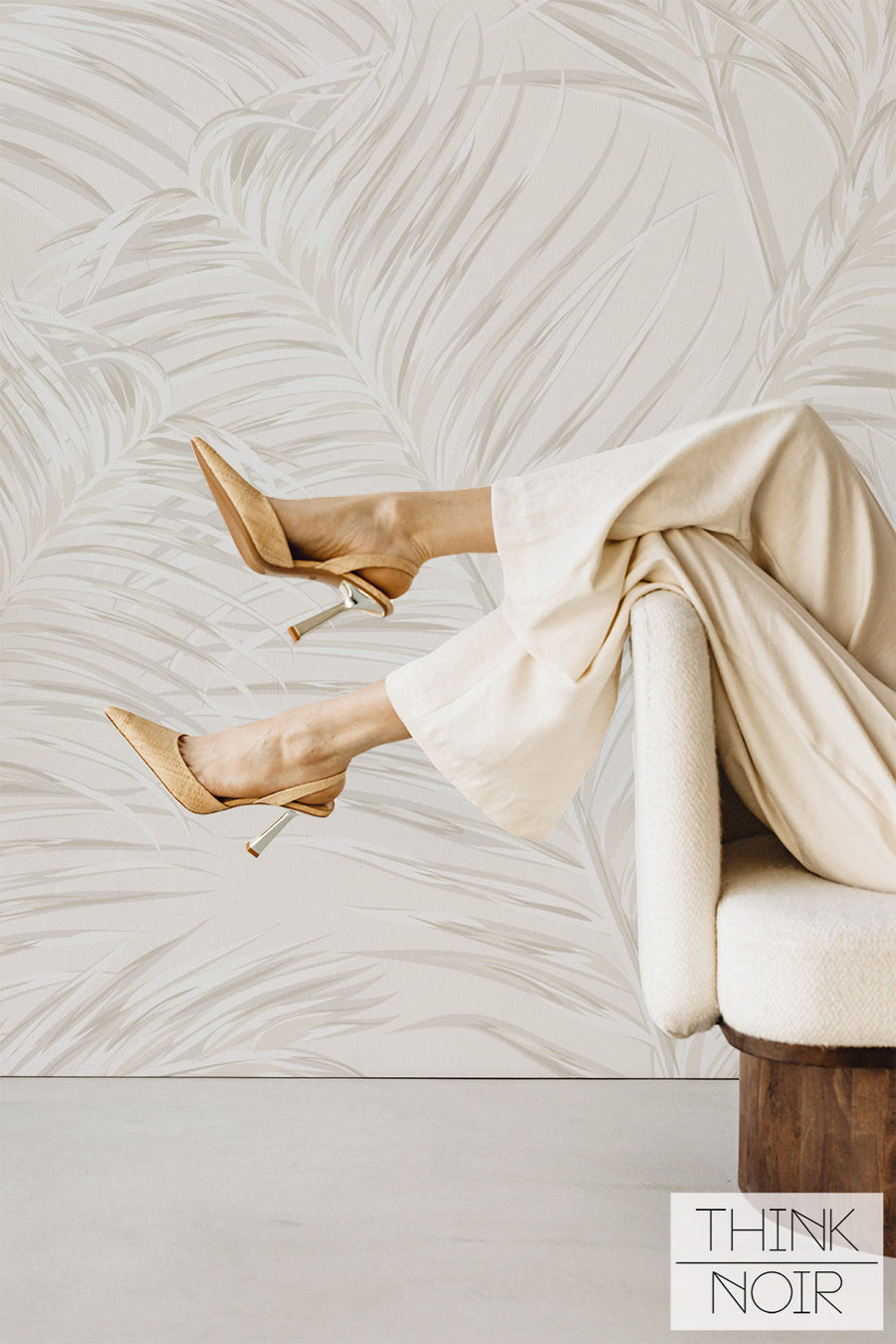
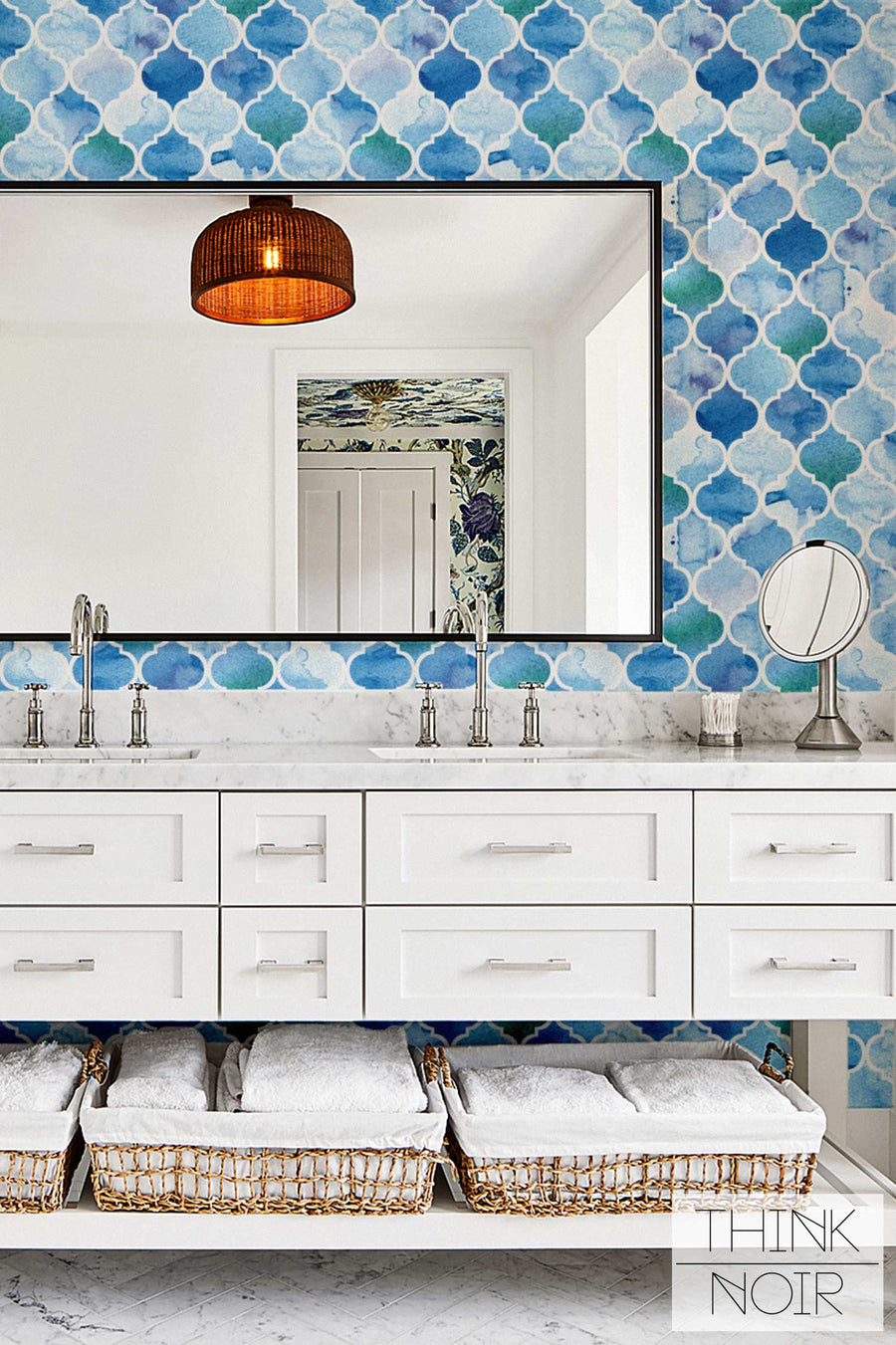
Does Dark Wallpaper Make a Small Room Feel Smaller?
This is one of the most repeated pieces of design advice, and it is mostly wrong. Dark wallpaper in a small room can make the space feel more intimate, more intentional, and more interesting than the same room in pale paint. The key is contrast and lighting.
A small room with dark wallpaper, light furniture, good lamps, and some reflective surfaces (a mirror, brass fixtures, a glass coffee table) will feel cosy and considered. The same dark wallpaper with dark furniture and no artificial light will feel oppressive. The wallpaper is not the problem in that second scenario.
Where pale colors genuinely help is in rooms with very low ceilings or almost no natural light at all. In those specific cases, light neutral wallpaper with a subtle pattern does more work than dark colors can.
Should You Match Wallpaper to Furniture or Paint?
Choose wallpaper first. Always. Then choose paint. Then coordinate furniture.
The reason is simple: wallpaper has the most complex color profile of anything in your room. A botanical wallpaper might contain five different greens, two browns, cream, and a dusty pink. Paint has to respond to that complexity. Furniture has to respond to the paint and the wallpaper together. If you start with furniture and try to find wallpaper that matches it, you spend months searching for something that does not exist.
When matching paint to wallpaper, pull from a secondary or accent color in the pattern rather than the dominant color. If your wallpaper is a deep blue botanical, painting the remaining walls in the same deep blue creates a tunnel effect. Pulling the soft cream or warm taupe from within the pattern gives the room breathing room while keeping everything cohesive.
The 5 Colors in This Series: Where to Go Next
Each color in this series has its own dedicated guide covering exact furniture pairings, interior styles, paint matches, and room-by-room advice. Follow the links below to the color that matches your project.
| Wallpaper Color | Best Rooms | Interior Styles | Guide |
|---|---|---|---|
| Blue | Bedroom, bathroom, living room, office | Coastal, Scandi, French, Art Deco, Bohemian | Blue Wallpaper Guide |
| Neutral / Beige | Any room. Especially living rooms and bedrooms | Japandi, Scandi, Romantic, Farmhouse, Transitional | Neutral Wallpaper Guide |
| Green | Kitchen, living room, bedroom, office | Botanical, Tropical, Bohemian, Maximalist, Vintage | Green Wallpaper Guide |
| Pink | Bedroom, bathroom, dining room | Romantic, Feminine, French, Art Deco, Eclectic | Pink Wallpaper Guide |
| Yellow | Kitchen, dining room, hallway, kids room | Bohemian, Maximalist, Vintage, Tropical, Eclectic | Yellow Wallpaper Guide |
FAQ: Choosing Wallpaper Color
How do I know which wallpaper color will look good in my room?
Start with your room's light direction and fixed elements (floor, trim, major furniture). These constrain your options in a useful way. Once you have a color shortlist, order wallpaper samples and pin them to the wall for at least 48 hours, checking them at different times of day. The color that still works at 7pm under your lamps is the right one.
Can you use dark wallpaper in a small room?
Yes. Dark wallpaper in a small room creates an intimate, considered look when paired with lighter furniture and good artificial lighting. The common mistake is pairing dark walls with dark furniture and relying only on natural light. Fix the lighting and the dark wallpaper becomes an asset, not a problem.
Should wallpaper match furniture or contrast with it?
Neither extreme works as a rule. The most reliable approach is to pick up an accent color from within the wallpaper pattern and repeat it in furniture or soft furnishings, rather than matching the dominant color exactly. This creates visual connection without the flat effect of a matched set.
What is the best wallpaper color for a north-facing room?
Warm colors. Soft yellows, warm beiges, blush pinks, and warm-toned greens like sage or olive all add the warmth that north-facing light strips out. Avoid cool blues, grey-greens, and stark white in north-facing rooms: they amplify the flatness of the light rather than correcting it.
Is peel and stick wallpaper a good option if I am not sure about the color?
It is the best option for anyone who wants to test a color or pattern without committing to a paste installation. Think Noir's Peel and Stick Wallpaper is fully removable and repositionable, which means if the color reads differently in your room than you expected, you are not committed to it for five years.
How many wallpaper colors should you use in one home?
A maximum of three or four distinct wallpaper colors across a whole home keeps the spaces feeling connected rather than disjointed. The most cohesive approach is to establish one neutral that appears in multiple rooms, then introduce one or two accent colors in specific spaces where you want more personality.
Start With a Sample, Not a Decision
The single most useful thing you can do before buying wallpaper is order samples. Color on a screen is not color on a wall. It is a starting point, not a verdict. Think Noir offers wallpaper samples so you can check the exact pattern, texture, and color in your actual room under your actual light before you commit to full panels.

Sources
- Color and psychological functioning: American Psychological Association overview of color psychology research — apa.org
- Color temperature and room perception: Wallpapers To Go, How to Choose Wallpaper Color — wallpaperstogo.com
- 2025 wallpaper and interior color trends: Homes and Gardens, 11 Wallpaper Trends to Keep Your Eye On in 2025 — homesandgardens.com
