


How to Use Dark Wallpaper Without Making a Room Feel Smaller

Dark wallpaper does not make a room feel smaller when the color has enough depth, the lighting is right, and the pattern has some movement to it. The mistake is not the color, it's choosing a flat, matte black with no light source to bounce off it. Done right, deep tones like navy, charcoal, and forest green make a room feel larger, because the walls stop reflecting clutter and start reading as one continuous, calm surface.
Key Takeaways
- Dark wallpaper expands a room visually when it removes contrast between walls, trim, and shadow, instead of adding it.
- Navy, charcoal, and deep green are the safest dark tones for small or low-light rooms, since they read as neutral rather than heavy.
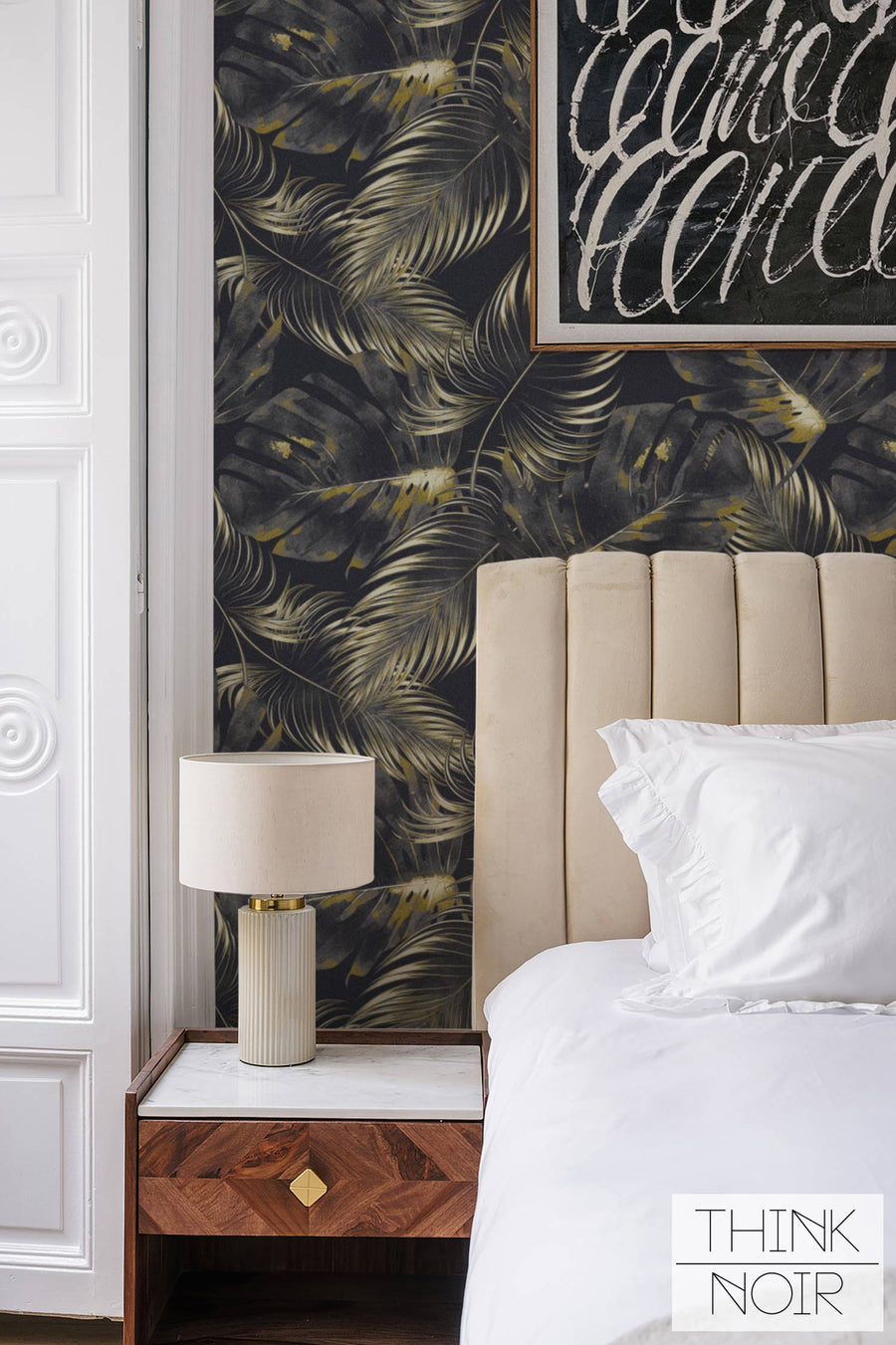
- A pattern with some sheen, metallic detail, or contrast print stops a dark wall from going flat.
- Dark wallpaper works best with strong lighting: a room with at least one good window or layered lamp light handles it far better than a dim one.
- One dark wall is usually the smarter call in a small room, while a fully wallpapered dark room works best in spaces used at night, like bedrooms and dining rooms.
- Order a sample and check it under your own lighting both day and night before you decide.
Why Dark Wallpaper Gets a Bad Reputation
The fear is reasonable. A small room with low ceilings and one window already has a brightness problem, and a heavy color can make that worse if it's the wrong heavy color.
But the actual issue is almost never the darkness itself. It's a wall that absorbs light with no pattern, sheen, or texture to give it back. A flat, matte black does that. A deep navy with a subtle metallic vein, or a charcoal grasscloth texture, does not. It catches light instead of swallowing it, and that's the difference between a room that feels cozy and one that feels closed in.

Which Dark Tones Actually Work in Small Rooms
Not every dark color behaves the same way on a wall. Some recede, some advance, and the ones that work best in tight spaces are the ones that read closer to neutral than to true black.
| Tone | Best for | Why it works |
|---|---|---|
| Navy | Bedrooms, home offices | Reads as a deep neutral, pairs with almost any wood tone |
| Charcoal | Living rooms, hallways | Softer than black, holds pattern detail without going muddy |
| Forest green | Dining rooms, powder rooms | Brings warmth, plays well with brass and natural wood |
| True black | Accent walls, small powder rooms only | Highest contrast, best kept to one wall or a small space |
Navy and charcoal are the easiest starting point if you've never worked with dark wallpaper before. Both sit close enough to neutral that they don't fight your existing furniture, and both have enough depth to hide scuffs and shadow better than a pale wall ever could.
For the full range, the Black and White Wallpaper collection covers the deepest end of the spectrum, while the Grey Wallpaper collection has the softer charcoal and graphite tones that work especially well in small spaces.
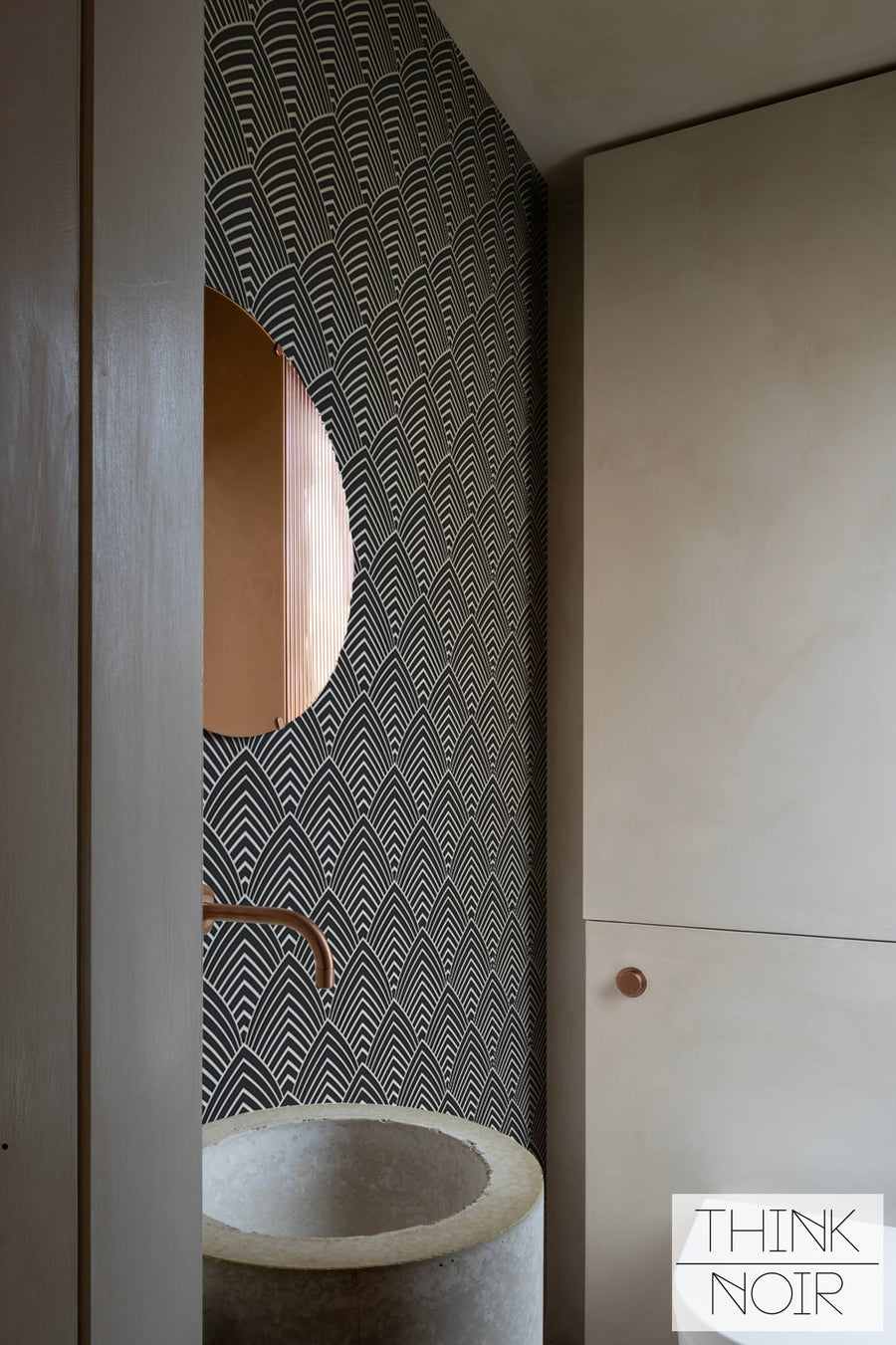
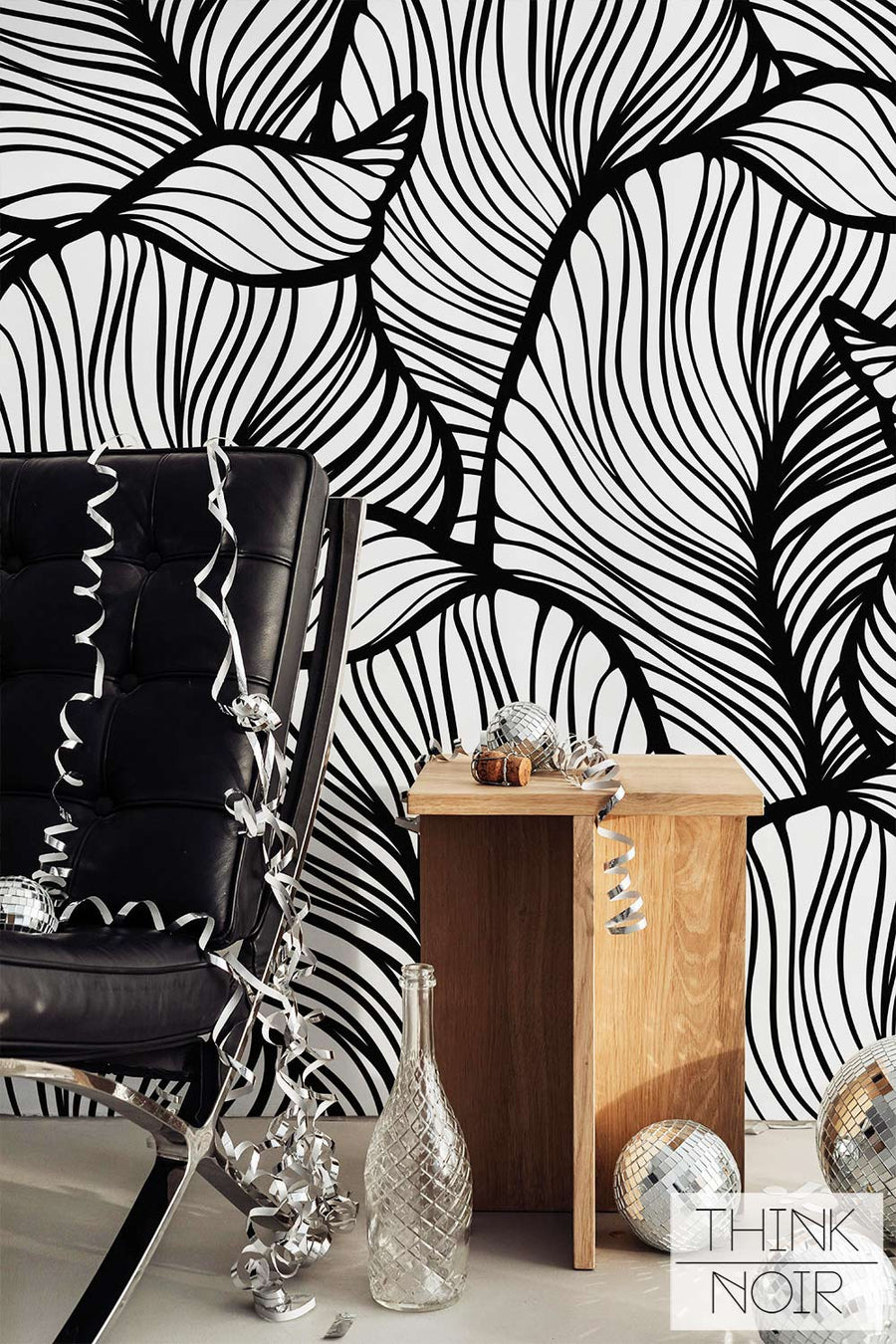
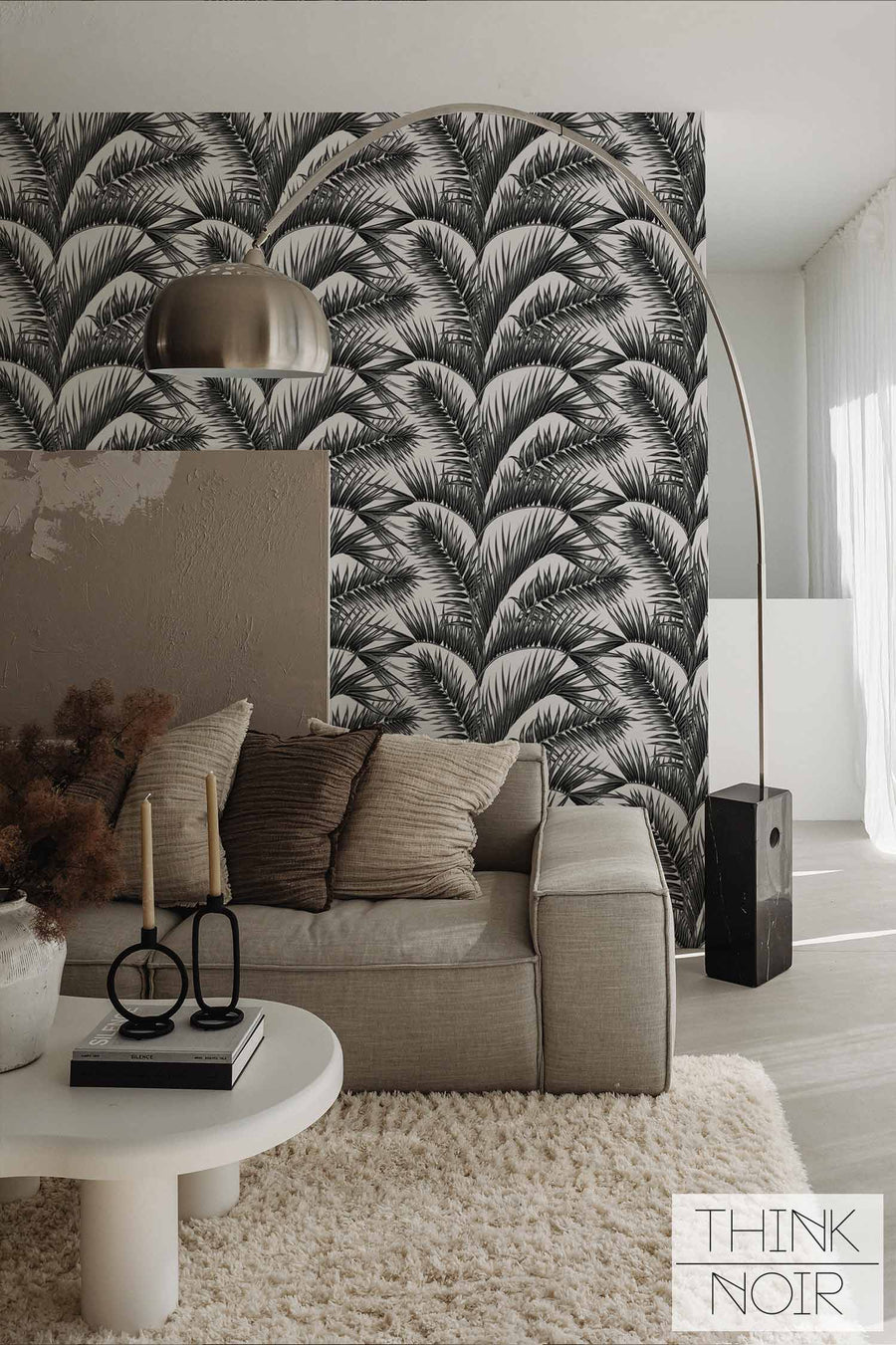
How to Stop a Dark Wall From Closing In a Room
Three things keep a dark room feeling open instead of cramped: light, pattern, and where you stop the color.
Light matters more with dark walls, not less. A room that gets good natural light during the day can carry a fully wallpapered dark room without trouble. A windowless room or a north-facing one should lean on layered lamp light instead of one overhead fixture, since a single bright source on a dark wall creates harsh shadow rather than a soft glow.
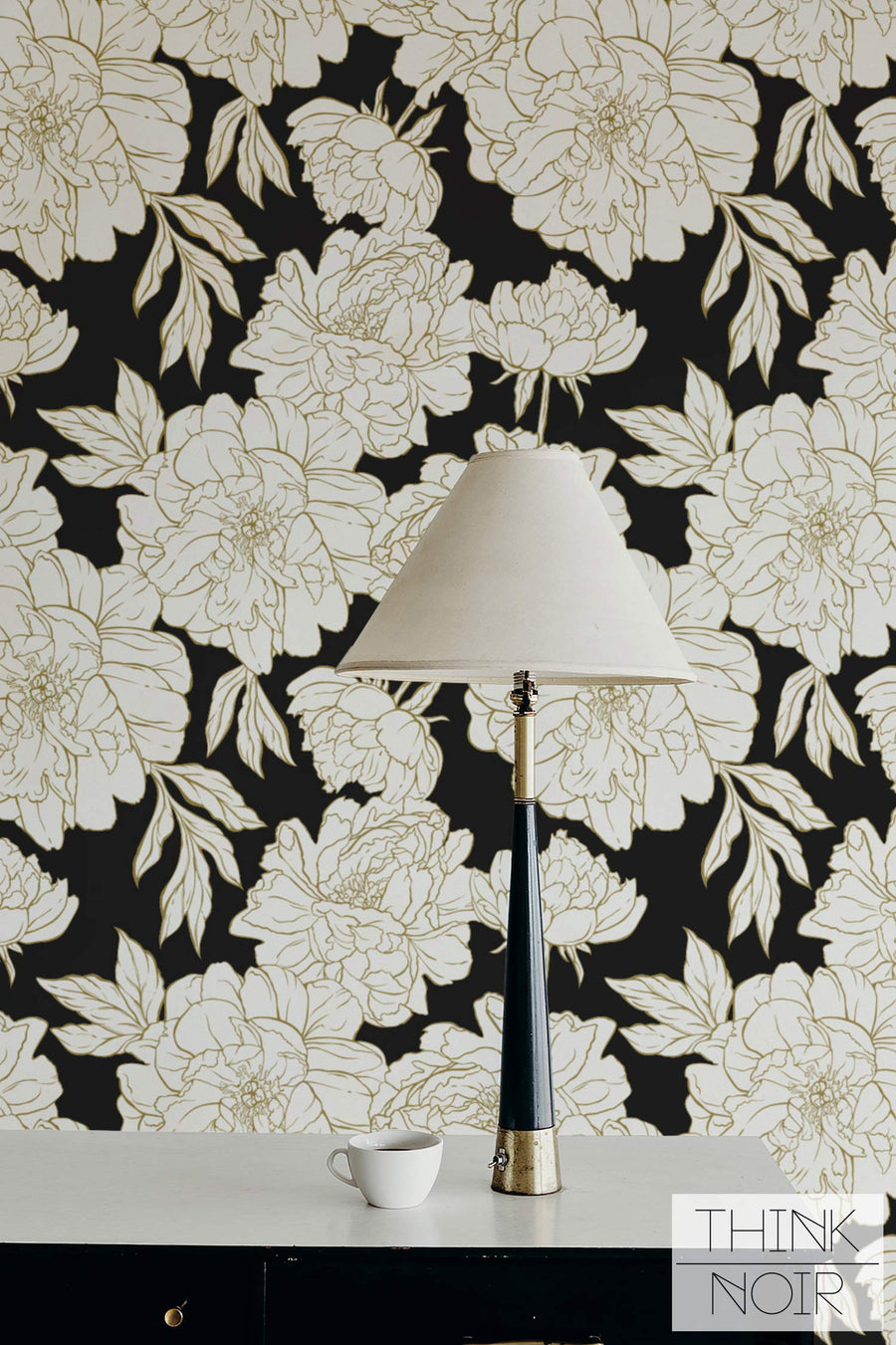
Pattern with movement beats flat color. A subtle metallic vein, a tonal print, or a textured weave gives a dark wall somewhere for the eye to travel. The Luxury Wallpaper collection is built around exactly this, with deep grounds and metallic or tonal detail that keeps a dark room from going flat.
Decide if you're doing one wall or four before you buy. A single dark feature wall, paired with lighter walls around it, is the lower-risk option in a genuinely small room. A fully wallpapered dark room works best in spaces you mostly use in the evening, where the goal is cozy rather than bright, like a dining room or a primary bedroom.

What Furniture and Trim Pair Best With Dark Walls
Dark wallpaper needs contrast somewhere in the room, or the whole space goes flat instead of dramatic. That contrast usually comes from trim, furniture, or metal finishes, not from the wall itself.
White or cream trim against a navy or charcoal wall is the most reliable combination, since it outlines the room's architecture and keeps the ceiling from feeling like it's dropping. Warm wood tones, brass hardware, and lighter upholstery do the same job from the furniture side. If your existing pieces already lean dark, balance them with at least one or two lighter elements, like a pale rug or light-colored curtains, so the room has somewhere to breathe.
Dark Wallpaper FAQ
Does dark wallpaper make a small room look bigger or smaller?
It depends on the finish, not the color. A dark wallpaper with pattern, sheen, or texture tends to make a small room feel more cohesive and larger, since it removes the contrast between walls and shadow. A flat, matte dark color with poor lighting is what shrinks a room.
What is the best dark wallpaper color for a bedroom?
Navy and charcoal are the most reliable choices for bedrooms, since both read as a deep neutral rather than a true black and pair easily with most bedding and wood tones.
Should I wallpaper all four walls in a dark color, or just one?
One feature wall is the safer choice in a small or low-light room. A fully wallpapered dark room works well in spaces used mostly at night, like a dining room or primary bedroom, especially if the room gets decent natural light during the day.
Does dark wallpaper need more lighting than light-colored wallpaper?
Yes, generally. Dark walls absorb more light than they reflect, so layered lamp lighting, rather than a single overhead fixture, keeps the room from feeling flat or dim.
What colors pair well with dark wallpaper?
White or cream trim, warm wood tones, and brass or gold hardware all add the contrast a dark wall needs. At least one lighter element in the room, like a pale rug or curtain, keeps the space balanced.
Start With a Sample
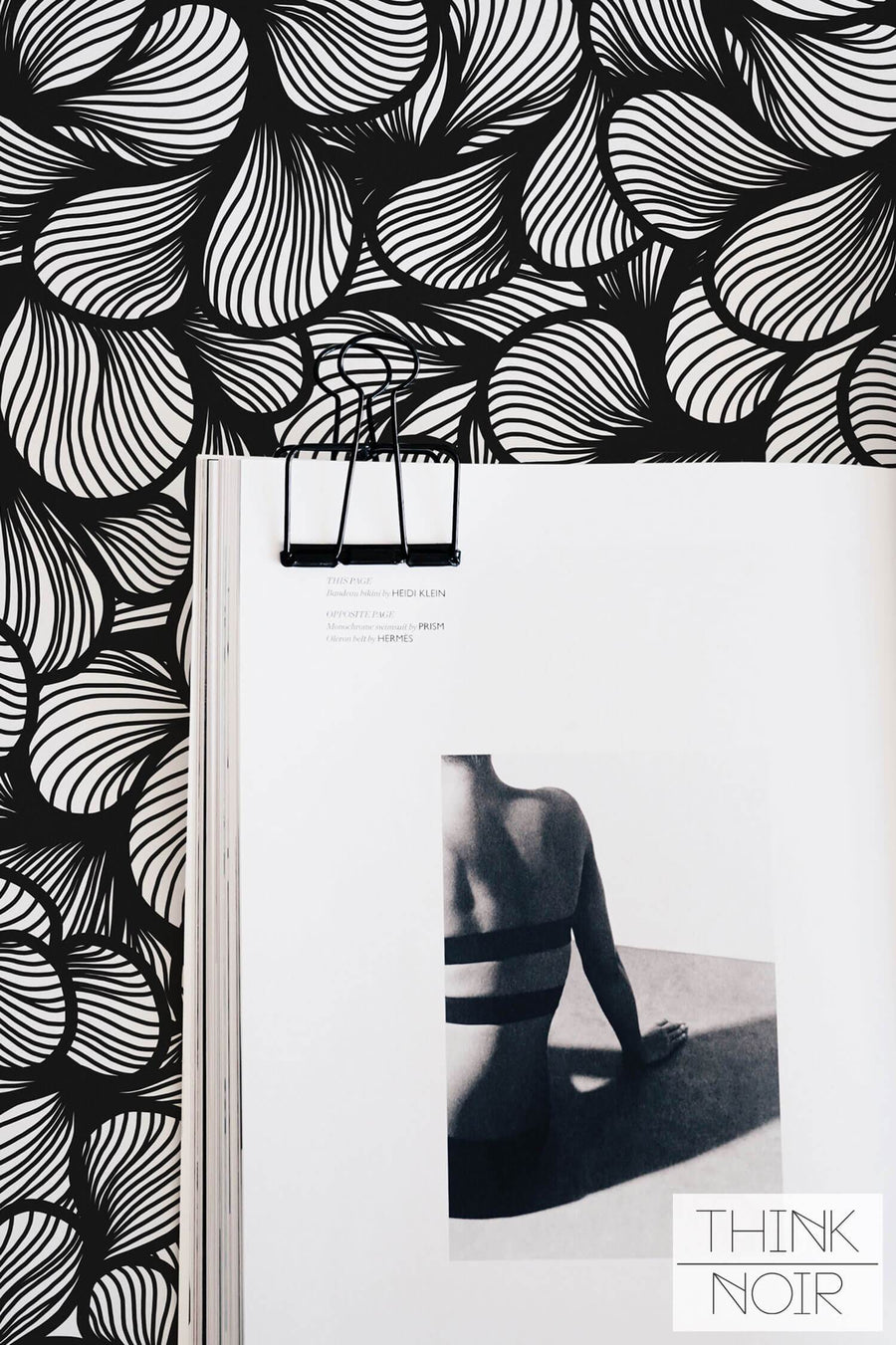
Dark colors shift the most between a screen and a real wall, since lighting changes them more than almost any other shade. Order a sample, tape it up, and look at it during the day and again at night before you commit to a full room.
Design Editor
B.A. Interior Design. Previously junior editor at a residential design studio in New York.
Elizabeth writes Think Noir's educational guides on color, light, and room architecture. She believes most people overthink wallpaper scale and underthink wall color. Her content is built around one principle: give the reader the answer before they have to ask for it.
Design Editor
B.A. Interior Design. Previously junior editor at a residential design studio in New York.
Elizabeth writes Think Noir's educational guides on color, light, and room architecture. She believes most people overthink wallpaper scale and underthink wall color. Her content is built around one principle: give the reader the answer before they have to ask for it.
